Introduction to AI Skills
Artificial Intelligence (AI) skills refer to the competencies that enable individuals to understand, implement, and innovate algorithms and systems that simulate human intelligence. These skills encompass a broad spectrum of abilities, from data analysis and machine learning to natural language processing and robotics. In the evolving landscape of the modern workplace, possessing AI skills has become crucial for enhancing productivity, improving decision-making, and fostering innovation within organizations.
Organizations increasingly rely on AI technologies to optimize operations and remain competitive in their respective industries. For instance, data-driven insights gleaned through machine learning can significantly improve strategic planning by enabling businesses to make informed decisions based on accurate predictive models. Furthermore, organizations that leverage AI can enhance their capacity for innovative problem-solving, often by automating routine tasks and freeing up human resources for more complex, creative endeavors.
The significance of AI skills is underscored by the growing demand for professionals adept in these areas across various sectors, including healthcare, finance, technology, and retail. As companies continue to integrate AI into their operations, employees equipped with relevant AI capabilities are positioned to lead these transitions effectively. Moreover, the implementation of AI-driven solutions not only improves operational efficiencies but also enables companies to respond to evolving market demands swiftly.
In summary, AI skills are not merely an asset; they have become essential for modern organizations striving to excel in an increasingly digital and data-driven world. Understanding the importance of these capabilities and their impact on workplace productivity and innovation is vital for professionals looking to advance their careers in the age of artificial intelligence.
Technical AI Skills
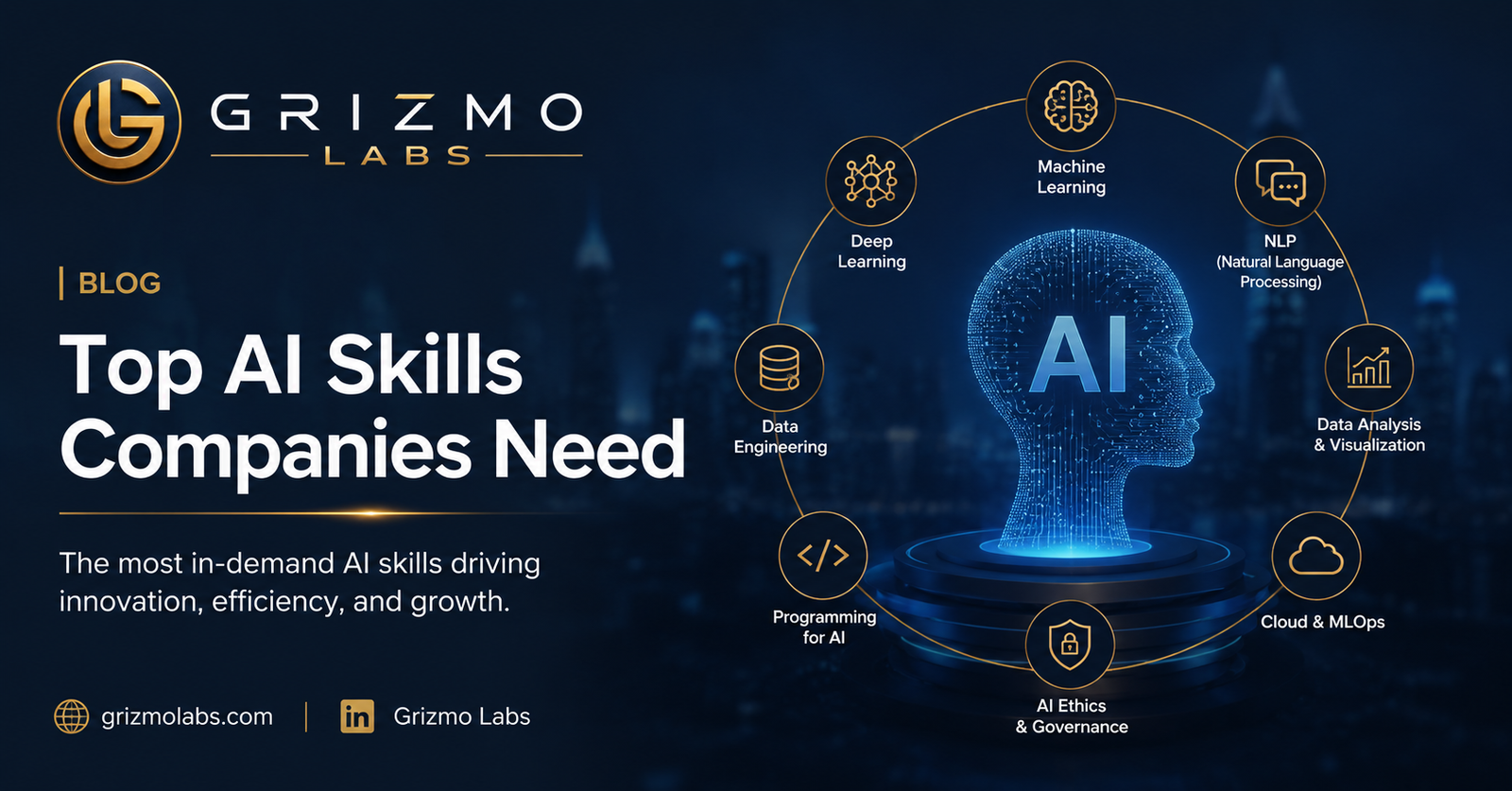
In the rapidly evolving landscape of artificial intelligence (AI), possessing a strong foundation in technical skills is paramount for professionals aiming to thrive in this field. One of the most crucial programming languages used in AI development is Python, renowned for its ease of use and vast libraries tailored for machine learning (ML) and data manipulation. R, another significant language, is particularly favored for statistical analysis and data visualization, making it instrumental in AI-related tasks.
Machine learning knowledge is central to anyone aspiring to work with AI technologies. Understanding various algorithms—such as decision trees, support vector machines, and clustering techniques—is vital for developing efficient AI models. Furthermore, familiarity with neural networks, which mimic the way human brains operate, is essential for deep learning applications, enabling machines to recognize patterns and improve performance over time.
Data manipulation skills are another critical component of technical proficiency in AI roles. Professionals must be adept at collecting, cleaning, and managing vast datasets to ensure high-quality input for AI algorithms. Mastery of tools like SQL for database management and libraries such as Pandas for data analysis will enhance one’s ability to prepare data effectively, leading to more accurate AI outcomes.
Additionally, statistical analysis forms the backbone of effective AI model development. A solid grasp of probability, hypothesis testing, and regression analysis allows practitioners to draw meaningful insights from data and validate their models. In summary, the combination of programming languages, machine learning expertise, data manipulation, and statistical knowledge not only equips AI professionals with the necessary tools but also significantly enhances their capacity to innovate in this transformative field.
Data Management and Analysis Skills
In an era defined by big data and artificial intelligence (AI), the importance of strong data management and analysis skills cannot be overstated. Companies today require professionals who are adept at collecting, cleaning, and analyzing large datasets. This expertise is essential for the successful implementation of machine learning models and the effective functioning of AI applications.
Data collection encompasses the systematic gathering of information from various sources, including databases, online platforms, and even sensor data in IoT devices. Professionals in this field should be proficient in using various tools and methodologies to ensure that the data collected is relevant and representative of the problem at hand. Moreover, they must have the ability to understand the intricacies of data sources to avoid biases in the data acquisition process.
Once data has been collected, the cleaning phase begins. Data can often be plagued by inaccuracies, duplicates, and inconsistencies. Therefore, professionals need to possess strong data wrangling skills, allowing them to cleanse and prepare datasets for analysis. This step is crucial, as the quality of data directly influences the outcomes derived from AI models.
After cleaning, the next step is analysis. Analysts must employ statistical methods and algorithms to extract meaningful insights from data. They need to be well-versed in tools like Python, R, or SQL, which facilitate efficient data manipulation and visualization. These insights are integral for businesses as they inform decision-making processes and strategy formulation.
In conclusion, the demand for robust data management and analysis skills continues to grow as companies increasingly rely on data-driven approaches. Professionals equipped with these skills are not only valuable assets to their organizations, but they also drive innovation by enabling the development and refinement of AI technologies.
Soft Skills for AI Professionals
In the rapidly evolving landscape of artificial intelligence (AI), possessing technical expertise is crucial; however, the significance of soft skills cannot be overlooked. AI professionals must hone their soft skills to thrive in collaborative environments and drive innovation. One of the essential soft skills is problem-solving. AI projects often present complex challenges that require a keen analytical mind and the ability to approach problems from various angles. Professionals equipped with strong problem-solving abilities can devise effective solutions while considering potential implications and ethical concerns.
Critical thinking is another vital soft skill for individuals in AI roles. The development and implementation of AI applications often require careful evaluation of information, assessment of data quality, and recognition of biases that may exist within datasets. A critical thinker can meticulously analyze such variables, leading to sound decision-making and enhanced project outcomes.
Effective communication skills are indispensable for AI professionals. They must convey complex technical concepts to non-technical stakeholders, team members, and clients, making it imperative to articulate ideas clearly and concisely. This skill enhances collaboration, ensuring that all project participants are aligned and share a common understanding of objectives and expectations.
Collaboration itself is a cornerstone of successful AI initiatives. Working within interdisciplinary teams necessitates an aptitude for cultivating relationships and positively engaging with colleagues from diverse backgrounds. Such teamwork leads to the fusion of ideas, resulting in innovative solutions that leverage the strengths of all team members. Furthermore, adaptability is crucial in a field marked by continuous change. AI professionals need to remain flexible, embracing new technologies and methodologies as they emerge.
Industry-Specific AI Skills
As artificial intelligence continues to reshape various sectors, the demand for specialized AI skills tailored to industry requirements has surged. Different industries such as healthcare, finance, and manufacturing exhibit unique AI applications and, consequently, necessitate distinct skill sets for professionals. This diversified landscape emphasizes the importance of understanding the specific AI skills that companies seek based on their operational context.
In the healthcare sector, for example, AI is increasingly employed for predictive analytics, patient data management, and image analysis. Professionals in this field often require expertise in machine learning algorithms that can process vast amounts of patient data to identify patterns and suggest treatment plans. Knowledge of natural language processing (NLP) is also highly sought after, as it can improve patient interaction through chatbots and assist in managing electronic health records effectively.
Conversely, in the finance industry, the focus shifts toward using AI for risk assessment, fraud detection, and algorithmic trading. Financial institutions typically look for candidates proficient in data modeling and statistical analysis. Familiarity with tools that support real-time data processing, such as big data technologies, becomes crucial due to the immediate nature of financial transactions. Moreover, understanding regulatory frameworks surrounding AI usage in finance is essential, as compliance issues play a critical role in operations.
Manufacturing, on the other hand, utilizes AI for predictive maintenance, supply chain optimization, and quality control. Here, skills in robotics and automation are paramount, alongside an understanding of Internet of Things (IoT) technologies that facilitate smart manufacturing processes. Professionals skilled in data science and analytics also are needed to interpret data collected from sensors and improve operational efficiency.
The disparity in AI skill requirements across industries illustrates the necessity for targeted training and education designed to equip future professionals with the knowledge pertinent to their chosen fields. As AI technologies evolve, so too will the specific skill sets companies seek, making continuous professional development vital for success in these competitive environments.
Ethics and Compliance in AI
The rapid advancement of artificial intelligence (AI) technologies has introduced a myriad of benefits across various sectors, but it has also raised substantial ethical concerns and compliance complexities. As AI becomes increasingly integral to business operations, organizations must prioritize ethical considerations in their AI implementations to mitigate risks, ensure transparency, and enforce accountability. Professionals in this field must cultivate a robust understanding of ethical frameworks, both to guide their own work and to inform broader organizational practices.
Among the critical skills necessary for professionals engaged in AI are those related to data privacy. With the increasing volume of personal data processed by AI systems, ensuring compliance with data protection regulations such as the General Data Protection Regulation (GDPR) in Europe and similar laws worldwide is vital. Experts must evaluate how data is collected, stored, and utilized, ensuring that user consent is adequately obtained and respected. This entails a comprehensive understanding of privacy policies and an ability to develop strategies that align with legal standards while maintaining ethical integrity.
Another significant consideration is algorithmic bias, which can permeate AI decision-making processes, inadvertently leading to discriminatory outcomes. Professionals must be well-versed in fairness metrics and bias detection methods to identify biases within algorithms and take corrective measures. Implementing diversity in training data and fostering inclusive development processes can help enhance the fairness of AI systems. Additionally, organizations need to establish accountability measures to ensure that their AI systems are relevant not only to business goals but also to societal expectations.
In summary, navigating the complex landscape of ethics and compliance in AI requires a commitment to ethical principles, a thorough understanding of regulatory frameworks, and the ability to identify and mitigate risks associated with algorithmic bias and data privacy. As AI continues to evolve, bolstering these skills will be paramount for professionals aiming to drive responsible innovation in their organizations.
Continuous Learning and AI Certifications
In the rapidly evolving field of artificial intelligence, continuous learning has become a critical competency for professionals aiming to stay relevant. The dynamic nature of AI technologies necessitates that individuals not only acquire foundational knowledge but also keep their skills updated to reflect the latest advancements and methodologies. Organizations are increasingly seeking candidates who illustrate a commitment to lifelong learning, especially in a landscape marked by constant innovation.
Various courses and certifications are available to help professionals enhance their capabilities in AI. For instance, platforms such as Coursera and edX offer specialized courses tailored to various aspects of AI, including machine learning, deep learning, and natural language processing. Many of these courses are developed in collaboration with renowned universities and tech companies, ensuring that the content is both relevant and up-to-date.
Furthermore, obtaining industry-recognized certifications from organizations like Microsoft, Google, and IBM can significantly bolster a candidate’s credentials. These certifications not only demonstrate proficiency in specific AI tools and techniques but also reflect a dedication to professional development. By completing these programs, individuals can showcase their expertise and commitment to mastering AI technologies.
Additionally, attending workshops, webinars, and conferences can facilitate networking opportunities and provide insights into emerging trends within the AI community. Engaging with other professionals and thought leaders in the field can be invaluable for sharing knowledge and exploring innovative applications of AI.
In conclusion, the pursuit of ongoing education and specialized certifications is vital for those looking to excel in the AI sector. By prioritizing continuous learning, professionals can ensure they remain competitive and well-equipped to navigate the complexities of artificial intelligence.
Future Predictions for AI Skills Demand
The landscape of artificial intelligence (AI) skills is undergoing a rapid transformation, spurred by technological advancement and increasing industry reliance on automation. Companies across various sectors are beginning to recognize the strategic importance of AI expertise, which is predicted to grow substantially in the coming years.
One significant trend is the rise of machine learning (ML) and deep learning technologies. As these tools become more sophisticated, organizations will require skilled professionals who can develop, refine, and implement advanced algorithms to improve decision-making processes. Additionally, the integration of AI with other emerging technologies, such as the Internet of Things (IoT) and blockchain, highlights the need for professionals who can work at the intersection of these fields. The synergy between these technologies is expected to drive demand for AI skills, as businesses seek to innovate and stay competitive.
Moreover, as automation takes over routine tasks, the future workforce will need to adapt by acquiring a blend of AI and soft skills. Critical thinking, creativity, and emotional intelligence will become invaluable in a work environment increasingly dominated by machines. Companies will look for individuals who can collaborate effectively with AI systems and leverage them for enhanced productivity. Furthermore, as the field of AI becomes more specialized, niche areas such as natural language processing (NLP) and computer vision are expected to see an uptick in demand, necessitating a more targeted skill set.
Lastly, the global AI skills shortage is projected to continue, leading organizations to anticipate a heightened focus on AI education and training programs. Institutions will play a crucial role in equipping future professionals with the necessary skills to meet growing industry demands. In this evolving landscape, organizations will increasingly prioritize hiring talent with a robust foundation in AI technologies, ensuring they remain at the forefront of innovation.
Conclusion and Call to Action
In the rapidly evolving landscape of technology and business, AI skills have emerged as essential competencies that companies need to remain competitive. The integration of artificial intelligence into various sectors has transformed operations and customer interactions, requiring professionals who can harness this technology effectively. Key aspects of AI skills include a strong foundation in machine learning, data analysis, algorithm development, and ethical considerations associated with AI implementation.
As we have explored, the importance of possessing AI skills cannot be overstated. Job seekers who equip themselves with these capabilities position themselves favorably in the job market, as organizations increasingly prioritize candidates that can contribute to AI-driven initiatives. Moreover, companies must recognize the necessity of upskilling their current workforce to adapt to the demands of an AI-centric economy. Investing in employee training programs that focus on nurturing AI competencies will yield significant long-term benefits.
Both job seekers and organizations have a responsibility to stay abreast of the latest developments in artificial intelligence. Job seekers should actively seek opportunities to learn and refine their AI skills through online courses, workshops, and networking with professionals in the field. Simultaneously, companies should create pathways for their employees to develop these skills through tailored educational resources and collaborative projects.
Ultimately, embracing AI skills is not just a trend but a vital strategy for future success. By taking proactive measures to acquire or enhance these competencies, individuals and organizations alike can thrive in a world increasingly shaped by artificial intelligence. Therefore, we encourage all readers to take immediate action, whether that means enrolling in an AI training course or initiating discussions within their organizations about developing AI capabilities.